Into the Woods: How Outdoors Unlocks Creativity
By Imaya TolsonContinuing our series on Creative Health, we’ve been exploring how focussing on our physical and mental health and wellbeing can support creativity. In this article we are focussed on the links between Creative Health and the Outdoors, investigating how spending time in natural environments may be a pathway to enhance our creativity.
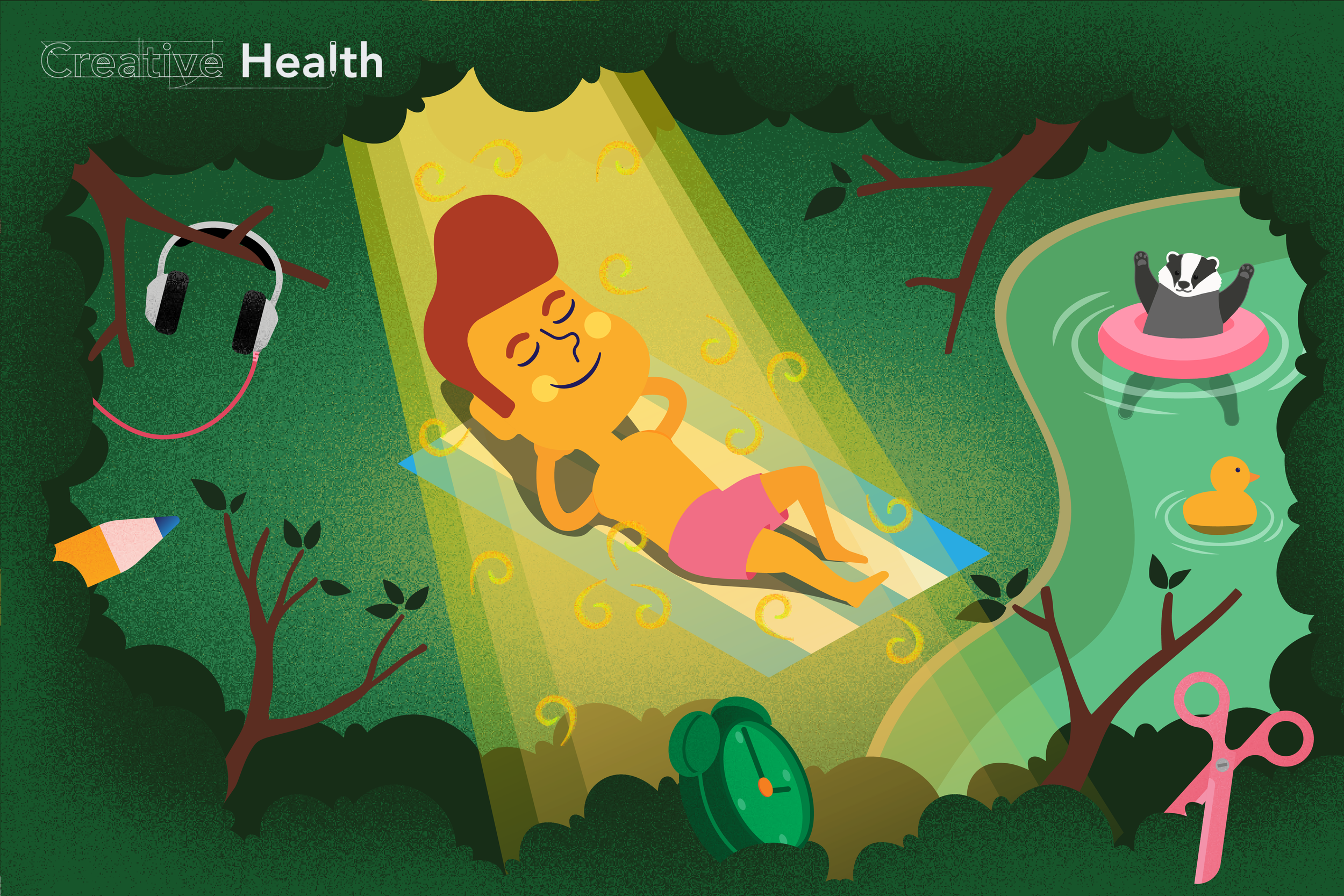
While spending time outdoors is known intuitively to help clear and refresh out minds, most people in the UK are spending around 90% of their days indoors (UK Parliament, 2023). In our screen-dominated, fast-paced lives, spending time outdoors in nature often gets deprioritised. However, research is increasingly showing that getting outdoors can have incredible benefits for our attention, creative thinking overall health.
As innovators, we are fascinated by how nature can stimulate creativity, and how we might factor this into our routines, workshops and team activities.
Stepping out to get in the flow
There is a growing number of recognised studies highlighting how time outdoors can improve our cognitive functions and enhance creativity. The rejuvenating effect of being outside in nature has been shown to help cognitive recovery by allowing the brain to unwind, boosting attentional capacity, problem-solving skills and divergent thinking (Kaplan 1995, Atchley et al., 2012, Palanica 2019, Berman, Jonides & Kaplan 2008, Kimura et al., 2023).
While simply getting outside can be beneficial for our overall health and wellbeing, engaging with natural environments has the most powerful effect on our creativity. Spending time outdoors in areas with natural elements, such as green spaces or areas with tree cover, has a stronger impact on creativity than being in urban outdoor environments (Berman, Jonides, & Kaplan 2008, Yeh, Hung, and Chang 2022, Atchley et al., 2012, Vella-Brodrick et al., 2024, Plambech and Van Den Bosch 2015, Yu and Hsieh 2020). One study found that surroundings with higher perceived ‘naturalness’ (i.e the quantity and closeness of plants, water or other natural elements) led to higher performance in creative thinking tests compared to those of low perceived naturalness (Yeh, Hung, and Chang 2022). When comparing the effects of indoor and outdoor exercise on creativity, a neuroscientific study found that natural settings can lead to significantly greater increases in EEG alpha power — the type of brain waves associated with creativity and divergent thinking (Kimura et al., 2023).
So, what is it about a visit to a park or woodland that leaves us feeling more mentally revived than a walk down a busy street? According to the influential Attention Restoration Theory(ART; Kaplan and Kaplan, 1989, 1995), natural environments require less intense concentration compared to city streets, giving our brains the space to relax and recharge. While streets filled with traffic and people demand constant focus and decision making, natural settings allow the brain to engage in effortless attention or "soft fascination"—a form of gentle mental engagement that allows the mind to wander (Kaplan 1995, Berman, Jonides and Kaplan 2008). This has a restorative effect, replenishing our cognitive resources which in turn helps to increase creativity.
From a more practical perspective, evidence from medical research on Shinrin-yoku, or "forest bathing” - a practice of forest immersion - has highlighted the benefits of nature exposure for our cognitive and physical health. Originated in Japan in the 1980s as a public health response to rising urban and technological stressors, forest bathing has become a well-known medical intervention in Japan, with rising popularity in the West. The practice involves sensory engagement with nature, specifically in woodland areas, with proven benefits including lowered heart rate and cortisol levels, improved mood, immune function, concentration and memory (Li et al., 2011., Li 2022, Miyazaki 2018). Recent trials of forest exposure workshops have been seen to improve high-level cognitive functioning, increasing creative performance by over 27% in creative word association tests (Yu and Hsieh 2020).
All this points to how spending time outdoors in natural settings can help recharge the brain, stimulating the imagination and fostering creative thinking. So, how do we harness these effects for our creativity while we are outside?
Making the most of time outside
When it comes to enhancing our creative health, getting ourselves outside is just the first step. Research suggests it’s not just the amount of time we spend outdoors that matters, but how we engage with nature while we are there (Richardson et al., 2021; Miyazaki, 2018). Professor Miles Richardson, a leading researcher in nature connectedness, coined the phrase “moments not minutes” (Richardson et al., 2021) to highlight that it’s our conscious attention to nature around us, rather than the duration of time, that most meaningfully supports our wellbeing and creativity.
In 2024, the WWF launched its ‘Prescription for Nature’ campaign, recommending 20 minutes a day outdoors in nature. Now while this is a well known benchmark, it’s just as important to consider how those 20 minutes are spent. Often, we move so quickly outdoors—distractedly walking from A to B, that we may not pause to observe, listen or notice the nature around us. While a short time in nature can reduce stress and boost cognitive function, studies show these benefits almost completely disappear if we are distracted on our phones while outside (Hopman et al., 2020). Tendencies such as rushing or listening to music through headphones may leave little space to slow down and truly engage with our surroundings, limiting the creative potential of being outdoors.
So, how do we tap into the benefits of being outside for our creativity? As Garry Pratt outlines in ‘The Creativity Factor’ (2022), walking in nature can offer the ideal conditions for transformational thinking—but only when approached with the right balance of intention, structure and freedom. It’s not simply about walking through the outdoors in a detached way, as the mind may still be caught up in to-do lists or navigating uneven ground. Instead, techniques such as intentionally slowing the pace, walking without focus on a fixed destination, and remaining open to natural stimuli can help activate this fertile mental zone for insight and imagination. Pratt proposes that creativity flourishes in this “sweet spot” of being outside, where the mind is distracted enough to let go of task-focused thinking, yet still gently guided by the rhythm of walking and the curiosity nature evokes.
Another method of achieving this is through consciously slowing down and focussing on the sights, sounds and textures in nature through all 5 senses. These sensory techniques in woodland environments has been seen to cause changes to our nervous system, reducing levels of the stress hormone cortisol and triggering a change from the sympathetic (fight or flight) to the parasympathetic nervous system—our body’s “rest and digest” mode (Li 2022). As the nervous system shifts into a calmer, more restored state, cognitive flexibility and focus are enhanced (Stevenson, Schilhab, and Bentsen, 2018, Yu and Hsieh 2020). These physiological changes are beneficial for creativity, as they have been seen to increase our capacity for divergent thinking (Berman et al., 2008; Kaplan, 1995; Ulrich et al., 1991).
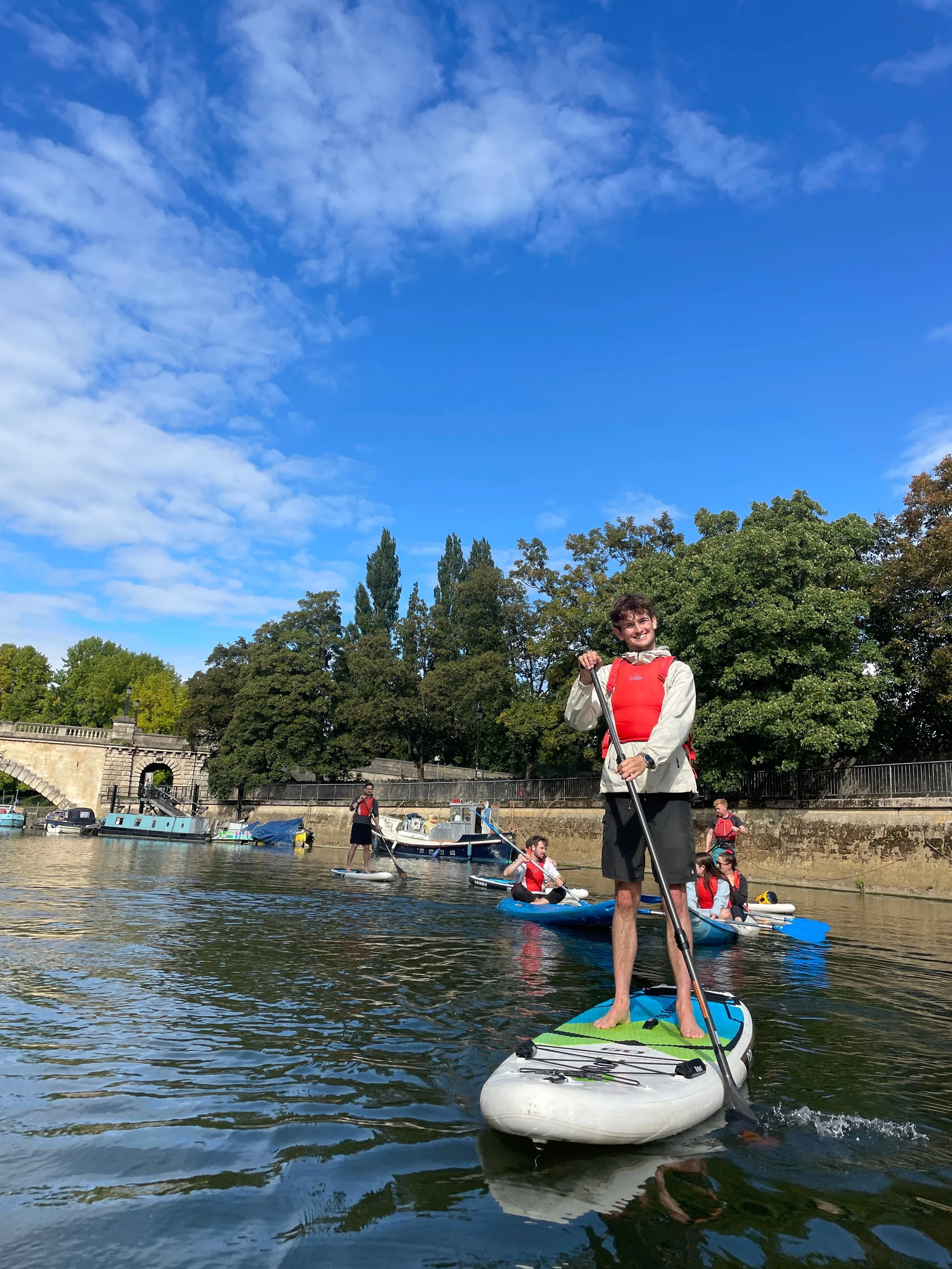
At INDUSTRY of Us, we’ve been testing these ideas ourselves by taking the team into nearby green spaces to try out simple exercises designed to slow us down and spark curiosity in nature. By letting go of destination, engaging all our senses, and tuning into our surroundings, we quickly noticed a lift in mood and focus. The team felt calmer, clearer headed, and more grounded—many saying they felt genuinely refreshed.
This showed us that even through short periods in city green spaces, these beneficial effects are accessible. A quiet moment on a bench under a tree, a walk through a green square, or simply noticing patches of wild things growing around us can all support creative health—if we bring mindful attention to them and let our minds decompress.
Practical tips for utilising the outdoors
So how do we utilise this knowledge of nature’s impact on creative health in our everyday lives and workplaces?
For Businesses
In many workplaces, productivity is still closely tied to visible output—time at the desk, eyes on the screen. But creativity doesn’t always work like that. It often flourishes in unstructured, reflective moments, the kind that happen when we step outside, walk in nature, and let our minds wander.
Part of the shift towards integrating nature for our creative health may not be logistical, but psychological, by creating a culture of permission. By encouraging time in nature both verbally and practically, companies can create permission for their staff to utilise the outdoors.
Some simple ways to integrate this mindset into the working week:
Try walk-and-talks for check-ins or business catch ups
Encourage staff to take 10 minutes outside engaging with their surroundings to recharge.
Block time for ‘outdoor thinking’ into team calendars
Choose venues for workshops that offer easy access to nature, and design one of the activities to take place outdoors.
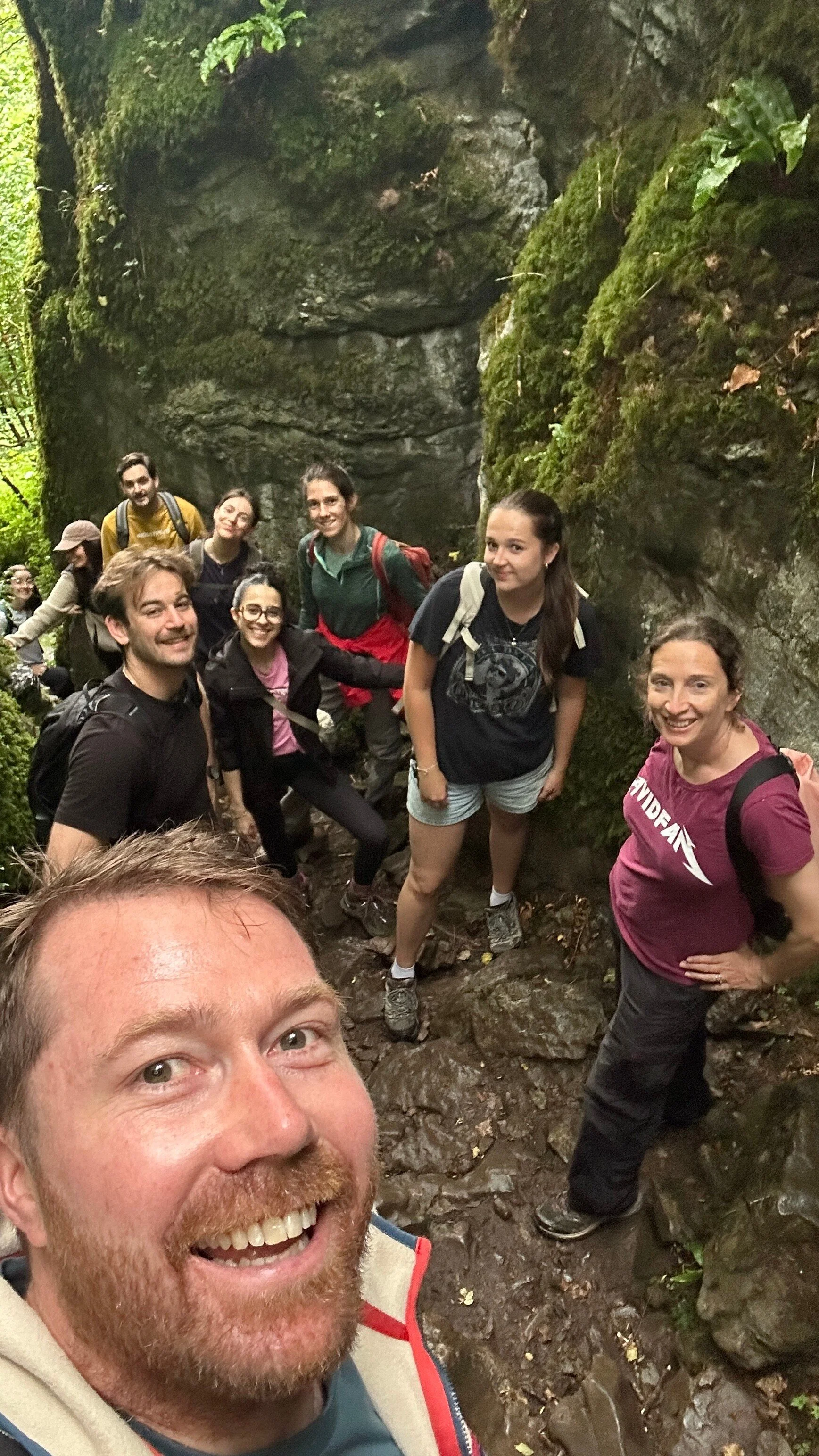
At INDUSTRY of Us, we’ve been exploring what this looks like in practice—brainstorming how nature can be woven into our routines, workshops, and creative processes. This month, the team stepped out of the city for a longer day hike in the wild Mendip hills, using that time to unwind, reset, and take in the scenery expansive views for some needed brain space.
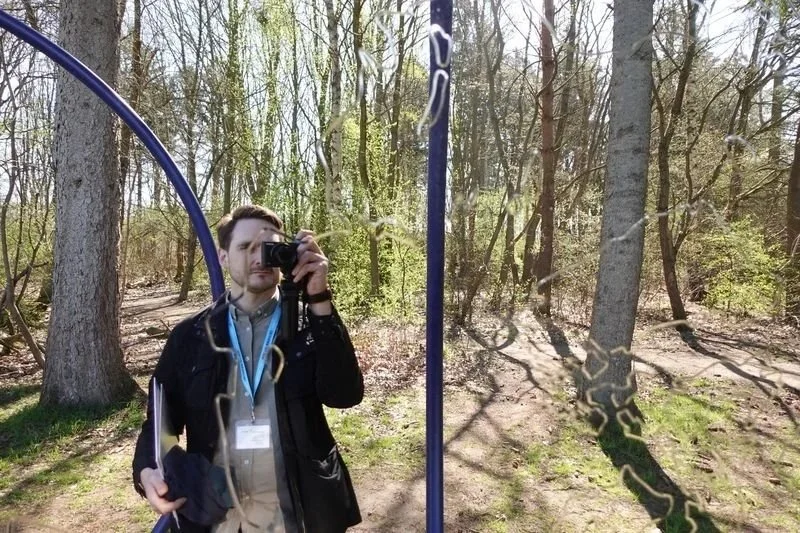
We believe getting outside can also be valuable during client workshops, as a change of scenery can help participants to process and reimagine ideas. In a recent ideation workshop for a client, we facilitated a 45-minute walk-and-talk, pairing participants with different perspectives to reflect on ideas at a key convergent stage in the workshop. Stepping outside into a green and leafy park created space for freer, more open conversations, without the pressure to write or capture ideas formally on paper.
As participants wandered through the park without specific destination, they had space to reflect, to unpick assumptions, reframe concepts, and reconnect with the underlying priorities of the brief. The result was stronger, more focused concepts shaped by the clarity and perspective gained from time outdoors.
For your next workshop, perhaps consider the surrounding of the event space; is there a garden, park, or woodland outside that can be utilised for a innovation activity? Who knows what novel concepts may be generated after a restorative moment outdoors.
For individuals
On a personal level, integrating nature doesn’t have to mean dramatic changes. One helpful framework is the 20:5:3 rule (Hopman et al., 2020)
20 minutes a day in a nearby natural setting (a park, tree-lined street, or quiet square)
5 hours a week in more immersive, semi-wild spaces
3 days a year completely surrounded by wild nature
This can act as a practical compass for balancing daily restoration with deeper, less frequent immersion. The key is to do it without your phone. The benefits of nature exposure—like reduced stress and enhanced cognitive flexibility—are strongest when we unplug and allow ourselves to simply be (Hopman et al., 2020).
Even small choices can make a difference:
Take a 10 minute walk outdoors, letting your attention be drawn to any nature around you.
Move your lunchtime to a spot under a tree or in a park.
Take a screen free break outside to let your eyes rest the next time you are losing focus.
Set reminders to yourself, it’s easy to forget when we get busy!
These moments help counter the attentional fatigue of our screen-heavy lives, allowing us to return to our work with more clarity and creative energy.
Conclusion
To wrap up, spending time outdoors isn’t just good for our bodies, but can be invaluable for our creative minds. Natural environments can help refresh our mental resources, easing cognitive fatigue and restoring our ability to focus, all aiding in creative thinking (Atchley et al., 2012; McCoy & Evans, 2002). Whether within a city park, under a quiet tree, or wilder, more expansive landscapes, nature provides the ideal setting for creativity to thrive. By intentionally slowing down, engaging our senses and having curiosity to the nature around us, we can access the potential of the outdoors for our creative health.
Want to know more about Creative Health?
If like us, you are ever-curious about the links between creativity and health, be sure to check out our previous articles on the topic where we translate the science into day-to-day creative practice.
Zen and the Art of Creativity — Exploring how bringing mindfulness to your innovation practice could be deliberately harnessed as a tool to boost the creative power of teams.
Exercise and Creativity — Exploring the link between physical activity and creativity by asking the question, can exercising make us more creative?
References (in order of appearance)
Uk Parliament, Bunn, S. and Duffield, G. (2023) Indoor Air Quality , Uk Parliament Post. Available at: https://post.parliament.uk/research-briefings/post-pb-0054/
Kaplan, S. 1995. The restorative benefits of nature: Toward an integrative framework. Journal of Environmental Psychology, 15: 169–182.
Atchley, R.A., Strayer, D.L. and Atchley, P., 2012. Creativity in the wild: Improving creative reasoning through immersion in natural settings. PloS one, 7(12), p.e51474.
Palanica, A., Lyons, A., Cooper, M., Lee, A. and Fossat, Y., 2019. A comparison of nature and urban environments on creative thinking across different levels of reality. Journal of Environmental Psychology, 63, pp.44-51.
Berman, M.G., Jonides, J. and Kaplan, S., 2008. The cognitive benefits of interacting with nature. Psychological science, 19(12), pp.1207-1212.
Kimura, T., Mizumoto, T., Torii, Y., Ohno, M., Higashino, T. and Yagi, Y., 2023. Comparison of the effects of indoor and outdoor exercise on creativity: an analysis of EEG alpha power. Frontiers in Psychology, 14, p.1161533.
Yeh, C.W., Hung, S.H. and Chang, C.Y., 2022. The influence of natural environments on creativity. Frontiers in psychiatry, 13, p.895213.
Vella-Brodrick, D.A., Lewis, K.J. and Gilowska, K., 2024. Exploring the Nature-Creativity Connection Across Different Settings: A Scoping Review. Educational Psychology Review, 36(4), p.134.
Plambech, T. and Van Den Bosch, C.C.K., 2015. The impact of nature on creativity–A study among Danish creative professionals
Yu, C.P.S. and Hsieh, H., 2020. Beyond restorative benefits: Evaluating the effect of forest therapy on creativity. Urban Forestry & Urban Greening, 51, p.126670.
Kaplan R, Kaplan S. 1989. The experience of nature: a psychological perspective. New York: Cambridge University Press.
Li, Q., Otsuka, T., Kobayashi, M., Wakayama, Y., Inagaki, H., Katsumata, M., Hirata, Y., Li, Y., Hirata, K., Shimizu, T. and Suzuki, H., 2011. Acute effects of walking in forest environments on cardiovascular and metabolic parameters. European journal of applied physiology, 111(11), pp.2845-2853.
Li, Q., 2022. Effects of forest environment (Shinrin-yoku/Forest bathing) on health promotion and disease prevention—the Establishment of “Forest Medicine”—. Environmental health and preventive medicine, 27, pp.43-43.
Miyazaki, Y., 2018. Shinrin-yoku: the Japanese way of forest bathing for health and relaxation. Hachette UK.
Richardson, M., Passmore, H.A., Lumber, R., Thomas, R. and Hunt, A., 2021. Moments, not minutes: The nature-wellbeing relationship. International journal of wellbeing, 11(1).
Hopman, R.J., LoTemplio, S.B., Scott, E.E., McKinney, T.L. and Strayer, D.L., 2020. Resting-state posterior alpha power changes with prolonged exposure in a natural environment. Cognitive research: principles and implications, 5, pp.1-13.
Pratt, G. (2022) The creativity factor: Using the power of the outdoors to spark successful innovation. London: Bloomsbury Business.
Stevenson, M.P., Schilhab, T. and Bentsen, P., 2018. Attention Restoration Theory II: A systematic review to clarify attention processes affected by exposure to natural environments. Journal of Toxicology and Environmental Health, Part B, 21(4), pp.227-268.
McCoy, J.M. and Evans, G.W., 2002. The potential role of the physical environment in fostering creativity. Creativity research journal, 14(3-4), pp.409-426.